If you have asked three studios for a product photography quote in Chennai, you have probably received three very different numbers, and possibly three different pricing structures too. Per image, per SKU, per day, per project. It can feel like the industry is being deliberately vague.
Product photography pricing in Chennai is not deliberately vague, or at least it should not be. Pricing follows a logic, and once a buyer understands that logic the buyer can estimate a project fairly accurately, compare quotes on equal footing, and spot a quote that is cutting corners. This post explains the logic the way we apply it at our studio in Pallikaranai, including how the volume bands work, which is the part most people have never had explained to them.
Why Product Photography Pricing in Chennai Has No Single Rate
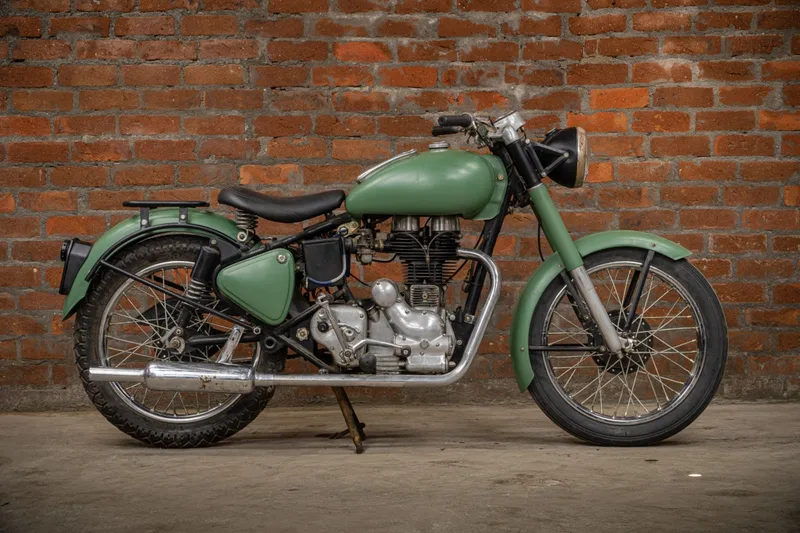
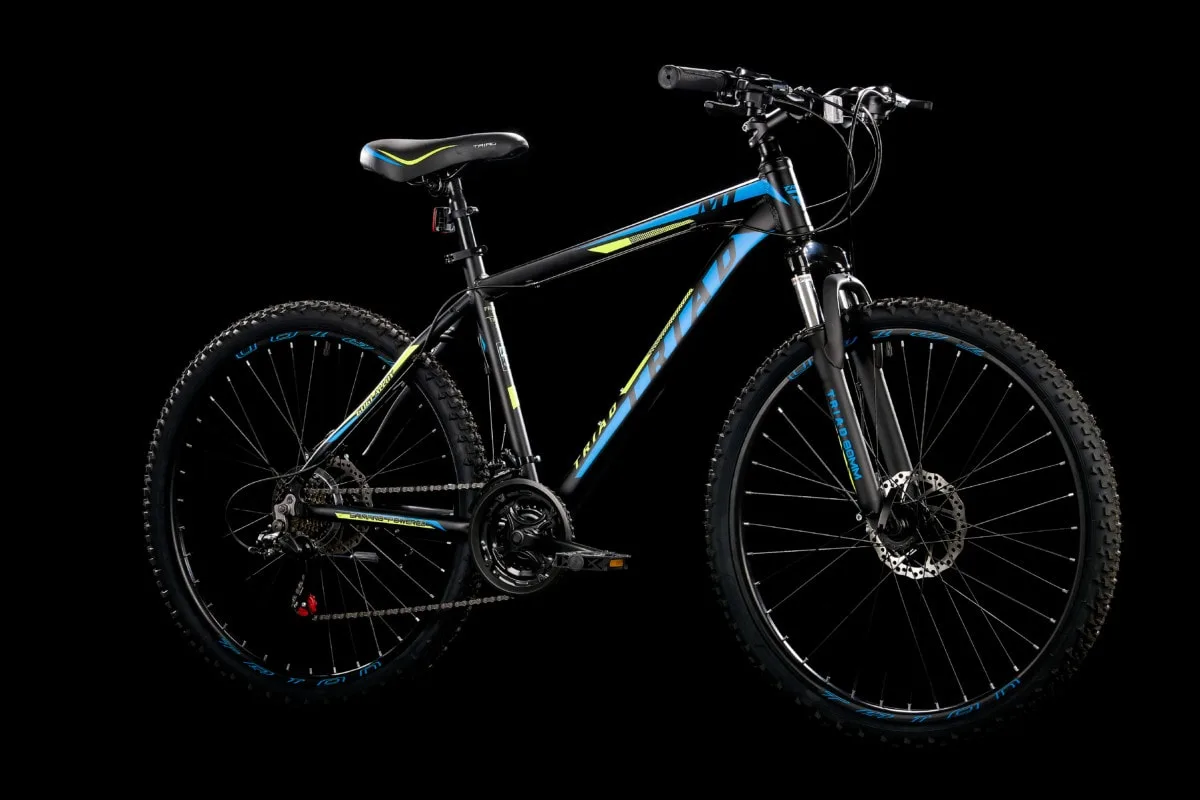
Two catalogues with the same number of products can be entirely different jobs. Thirty cotton kurtas on a white background is one day of steady, systematic work. Thirty stainless steel kitchen appliances is several days of building a custom lighting environment around each product, because polished metal reflects everything, including the studio, the lights and the photographer.
So when a studio asks you a long list of questions before quoting, that is a good sign. The number depends on what you are shooting, how many, and what the images need to do for you.
The Factors That Move the Number
Volume. Photography has significant setup time. Calibrating the workflow, building the set, and dialling in lighting take the same effort whether you shoot five products or fifty. Once a set is running, each additional similar SKU costs less to add. That is why per-SKU pricing falls as volume rises, and why a five-product shoot will always cost more per product than a hundred-product catalogue. As a reference point, our lowest per-SKU band rate is ₹700 plus GST, charged on the products beyond the highest volume threshold. The blended cost across a whole order always lands above that, for the reason explained under the tiers below.
Product complexity. Reflective and metallic products, glassware, and transparent packaging need controlled reflections, which means custom light-shaping per product rather than a standing setup. Jewellery and small intricate items need macro work and far more retouching time. Studios typically apply a surcharge for these categories, and if a quote for glassware doesn’t, ask how they plan to handle the reflections.
Angles per SKU. A standard eCommerce listing needs three to four angles. Marketplaces reward more. Every additional angle is capture time, selection time and retouching time, so “how many images per product” matters as much as “how many products”.
Retouching depth. Basic colour correction and cleanup is part of any professional job. Compositing, focus stacking for deep product detail, 360 degree spins, and advanced beautification are separate line items. This is the area where quotes diverge the most, so make sure you are comparing the same level of finish.
White background versus lifestyle. Cut-out images on white are systematic. Lifestyle and context shots need props, styling and a built set, so they are priced per setup rather than per image.
Usage rights. Images licensed for eCommerce and web use are the baseline. If you plan to run the images in paid advertising or out-of-home campaigns, that is a broader licence and it is normal for it to cost more. A studio that never asks about usage is either underpricing itself or planning to have this conversation with you later, at a worse time.
Turnaround. Standard delivery for a typical catalogue is one to two weeks. Compressing that means the studio reshuffles other work, and rush fees reflect that.
How Tiered Product Photography Pricing Works
Volume is the factor that confuses buyers most often, so this section is worth reading slowly. Catalogue photography is almost always priced in bands rather than at one flat rate. A band is a range of SKU counts with its own rate attached, the opening band is usually charged as a flat project fee rather than per item, and the per-item rates step down as the count rises.
The structure works the way income tax brackets do, and that comparison is worth holding on to. An order is not dropped wholesale into one band. Instead the first stretch of products is charged at the opening rate, the next stretch at a lower rate, the stretch beyond that at a lower rate again, and the quote is the sum of those parts. Crossing into a cheaper band does not retroactively re-price the products below it.
Three consequences follow, and all of them matter when reading a quote.
First, the lowest band rate is not the price of your catalogue. It is the rate charged on the products that fall beyond the highest threshold, so the effective cost per product across a whole order always sits above it. A quote coming back higher than an advertised “from” figure is not a studio inflating the number: no order averages down to the opening rate, and a studio quoting as though it did would be quoting a job it cannot deliver. The ₹700 plus GST mentioned above is a band rate, not an average.
Second, volume still pays, just without a cliff. Because each band is priced separately, adding one more product never makes the order cheaper overall, and there is no threshold worth gaming. The saving accrues steadily: the larger the catalogue, the more of it sits in the cheaper bands, and the lower the blended cost per product. Forty SKUs quoted at once beat the same forty SKUs sent in four batches of ten across a year, because each batch carries its own setup, its own calibration and its own intake, and each batch starts again at the opening band.
Third, bands reward similarity rather than raw quantity. A hundred SKUs that share a material, a size and a lighting approach genuinely earn the cheaper bands, because the set stays built and each new product simply steps onto it. A hundred SKUs spanning fabric, glass, steel and jewellery are effectively four shoots wearing one purchase order, and pricing reflects that. The most useful thing a buyer can do before asking for a quote is group the product list by material and size, rather than counting it.
We publish a band rate rather than a rate card on this site, because a rate card without your product list attached misleads more often than it informs. The full structure, bands and surcharges together, fits on one sheet and we send it on request. Ask for it on WhatsApp and read it against your own catalogue.
Where Product Video Fits in the Budget
Most eCommerce video requests that reach us are turntable clips: the product rotating against a clean background, a few seconds long, one per SKU, shot on the same set as the stills. Turntable clips are the cheapest video a catalogue can carry, because the lighting, the set and the product handling are already paid for by the photography. Adding them to an existing shoot costs far less than commissioning them later as a standalone job, and marketplaces increasingly favour listings that carry one.
More extensive product films are a separate production with their own budget: launch teasers, detailers that show a product working, and educational films that explain a mechanism. Those are scripted and scoped rather than priced per SKU, and the product video production guide explains the formats and what each is for. Full details sit on the product videos page.
The practical advice is simple. Decide about turntables before the photography shoot, not after. Capturing them during the session is inexpensive; recreating the identical set months later is not.
What a Typical Engagement Looks Like
Ours runs like this, and most professional studios in Chennai will be similar. You share your product list and requirements, we quote, and the booking is confirmed with an advance. Products arrive at the studio a day or two before the shoot for intake and prep. We shoot tethered, so images are reviewed at full resolution as they are made, not discovered after the fact. Colour-corrected finals are delivered through cloud storage, organised and named by SKU, ready for upload.
Ask for the Rate Sheet
The fastest route to a real number is the rate sheet. The sheet lists the volume bands, the surcharges for difficult materials, and what the standard package includes, and it goes out over WhatsApp as a single readable document. Message +91 99624 28747 and ask for the product photography rate sheet, and it will be with you shortly.
For a quote rather than a rate sheet, no discovery call is needed either. Send three things:
- How many products, roughly
- What they are, in a sentence (material matters: metal, glass, fabric, plastic)
- A phone photo of a few of them, taken on your desk, no styling needed
Those three things are enough for an accurate number, usually the same day. The contact page works too if email suits you better.
Frequently Asked Questions
Why Do Reflective Products Cost More to Photograph?
Because a polished surface shows a mirror image of everything around it. Producing a clean image of a steel appliance or a glass bottle means constructing the reflections deliberately, with large diffusion surfaces and careful flagging, effectively building a small custom set per product. It is slower, more skilled work.
Why Is My Quote Higher Than the Rate You Advertise?
Because the advertised figure is a band rate rather than an average. Pricing works like tax brackets: the first stretch of products is charged at the opening rate, later stretches at progressively lower rates, and the quote is the sum. Only the products beyond the highest threshold are charged at the lowest rate, so no order averages down to it. Ask for the rate sheet and the full structure, bands and all, becomes visible on one page.
Can I Combine Several Small Batches Into One Booking?
Yes, and combining is usually the right move. Every separate booking restarts at the opening band and carries its own setup, calibration and intake, so a year of catalogue work sent in batches of ten costs considerably more than the same products quoted together. Similar products grouped by material and size get the most benefit.
Do You Shoot Product Video as Well?
Yes. Most eCommerce clients want turntable clips, which are shot on the same set during the same session and cost far less added to a photography shoot than commissioned separately. Longer product films are scoped as their own production.
Do You Charge per Image or per Product?
Per SKU, with a defined number of angles included. We find it is the fairest structure for catalogue work, and it makes quotes easy to compare. Additional angles, lifestyle setups and advanced retouching are priced separately so you only pay for what you use.
What Is Included in the Base Price?
Professional studio shoot on white background, three to four angles per SKU, colour-calibrated workflow, professional colour correction and cleanup, and high-resolution files delivered through cloud storage.
How Long Does Delivery Take?
Seven to fourteen days for typical catalogue volumes. Express delivery is available for launch deadlines at an additional cost.
Do I Own the Images?
You receive full commercial usage rights for eCommerce and web as standard. Advertising and out-of-home licensing is available, and it is best discussed at quoting time.
If you are still comparing studios, our guide to what professional photos actually do for sales is a useful companion read, and you can see the standard of work you should expect on our product photography page.