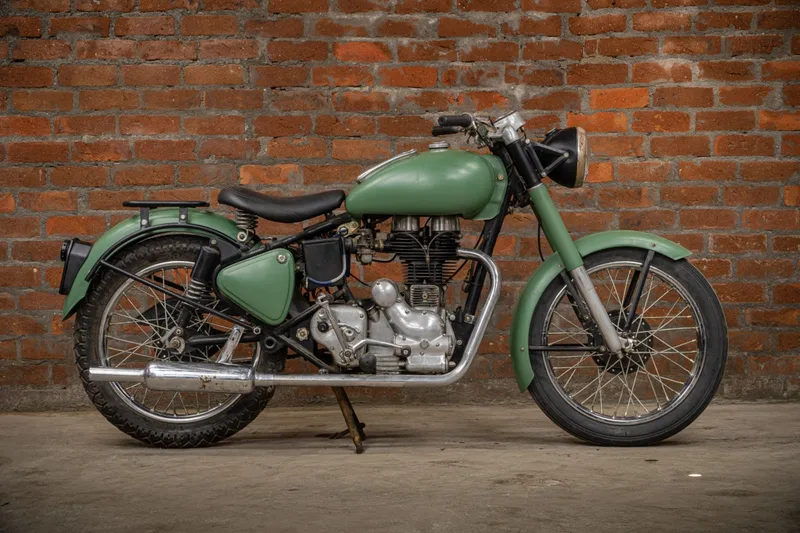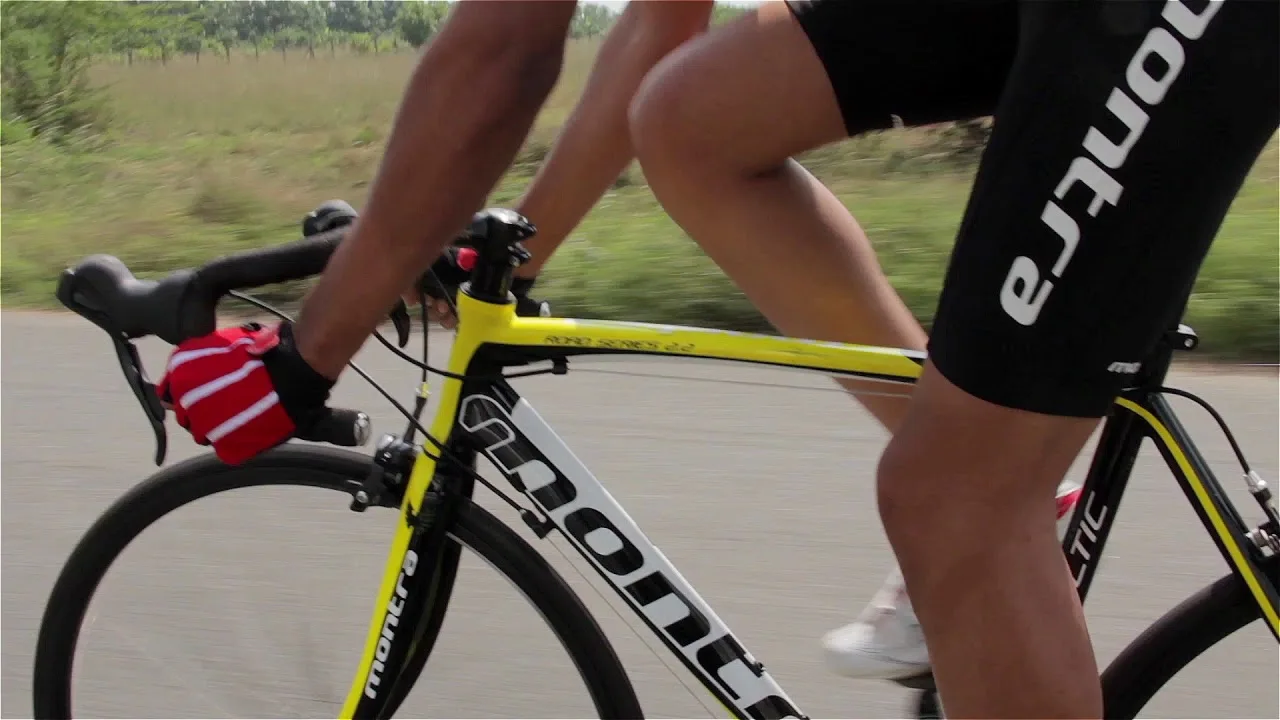
A product photograph answers “what is it?”. A product video answers the harder questions: how does it move, how does it work, what is it like to use? For anything with a mechanism, a motion, or a learning curve, the film does persuasion work that copy and stills cannot, which is why video slots keep appearing everywhere products are sold, from marketplace listings to dealer presentations.
We have run product video production from our Chennai studio since 2011, for brands including TI Cycles, Waltx, Triad, and eLife, through a dedicated product video service. The most useful thing we can tell you before you brief anyone is that “a product video” is not one thing. It is one of at least four different formats, and knowing which one you need changes the script, the shoot, and the budget. Let’s discuss these formats.
Four Product Video Formats, and What Each Is For:
Launch Teasers
Launch teasers run 15 to 60 seconds and exist to build anticipation: social media, landing pages, email campaigns. A teaser is pace and atmosphere more than information, planned for motion from the start rather than assembled from static shots with movement added in the edit.
Product Detailers
Product detailers run 60 to 120 seconds and walk through design, features and key specification. Detailers live on websites, YouTube and dealer screens, and are the workhorse of the category: long enough to make the case, short enough to hold attention. Commission only one film and the detailer is usually the right one.
eCommerce Clips
eCommerce clips run 15 to 30 seconds and are cut to marketplace specifications for Amazon, Flipkart and D2C product pages. Marketplace clips do a specific job: giving a buyer who is minutes from a decision enough confidence to purchase. The clips follow platform rules the same way listing images do, a subject we covered in our Amazon requirements guide. Unboxing and demo films are the longer sibling of the format, running to two or three minutes, and that length earns its keep when a buyer wants to see exactly what arrives in the box.
Educational and How-It-Works Films
Educational and how-it-works films ideally run 2 to 5 minutes (but could end up being longer based on the topic’s depth), for products that are complex, unfamiliar or technically rich. An educational film is structured for comprehension first and aesthetics second, and earns its length only when the product genuinely needs it. A film built as one module in a training series runs longer still, because the job is teaching rather than selling.
One shoot can feed several formats. A 90-second detailer, a 30-second social cut and a 15-second paid-media version can all come from the same production if the cuts are planned before the shoot, as distinct edits rather than trims.
Stills and Video: One Production, Not Two
Most product launches need photography and film, and the single most cost-effective decision you can make is booking them together. Same session, same lighting logic, one crew, and a consistent visual language across everything you publish. The capture day is the expensive part of both disciplines, so sharing the capture day is materially cheaper than two separate productions covering the same ground, which is the same one-partner argument we made for corporate video production.
The video production itself follows the discipline you would expect from a product photography studio: scripts and shot lists signed off before the shoot, filming on our seamless-background floor in Pallikaranai or on location, and live monitor review so you can call adjustments in real time rather than discovering them in the edit.
Product Video Production Timelines, and What Moves the Budget
From approved brief to delivered film, a typical product video takes two to three weeks after the shoot day, with scripting and pre-production in front of that. If the film supports a launch, start the conversation at least four to six weeks before you need the final files. The budget levers are the same identifiable decisions as any production: number of shoot days, number of formats and cuts, type and length of motion graphics, and voiceover or language versions. If you are still comparing production partners, our older guide to choosing a video maker covers the questions that you’re likely to ask during the choosing process.
If there is a product launch on your calendar, message +91 99624 28747 on WhatsApp with the product, the platforms, and the launch date. We will tell you honestly which formats are worth making and what it takes to make them. Full deliverables and example films are on the product videos page.