Furniture photography runs into a problem long before anyone discusses lighting or styling: the sofa has to get into the building. A three-seater, a six-door wardrobe, a dining set, a treadmill or a packaged industrial pump will not pass through a domestic doorway, will not fit on a table-top sweep, and will not be lit by the two-light setup that serves a cosmetics range perfectly well. Most photography studios in Chennai are rooms. Large products need a floor.
This post covers what large-product photography actually requires, why the constraint is physical rather than creative, and what a furniture brand or equipment manufacturer should expect from a shoot day. Full service details sit on the product photography page.
Why Furniture Photography Defeats a Small Studio
Three dimensions decide whether a large product can be photographed properly, and every one of them is a building specification rather than a skill.
Floor area comes first. A sofa needs to sit far enough from the background that the background falls out of focus and stays evenly lit, and the camera needs to stand far enough back to photograph the sofa without distorting its proportions. A wide-angle lens used too close makes a dining table look like a funhouse mirror, which is the single most common fault in furniture images shot in cramped rooms. Our main shooting floor at Fortune Studios, Pallikaranai runs 36ft × 24ft, which leaves working distance behind the subject and in front of the camera at the same time.
Ceiling height comes second, and it is the one most people forget. Lighting a tall wardrobe or a stacked display means putting light sources above the subject, and a ceiling at nine feet puts the light in the frame. The shooting floor stands 12.5ft high, which keeps overhead lighting above the top edge of tall furniture rather than in the photograph.
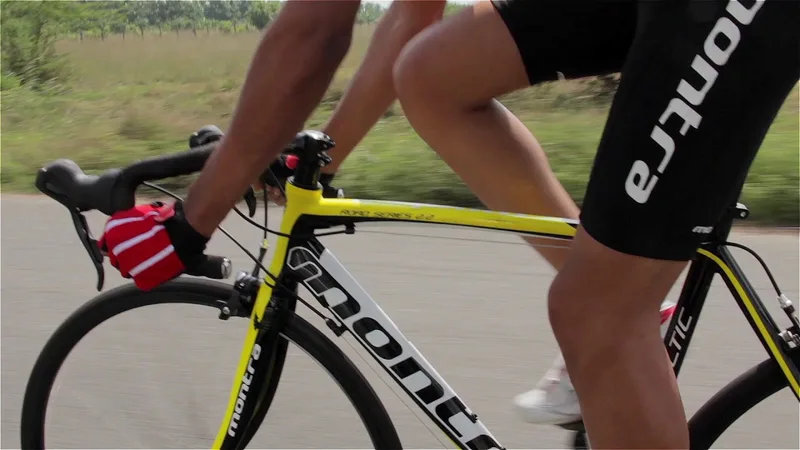
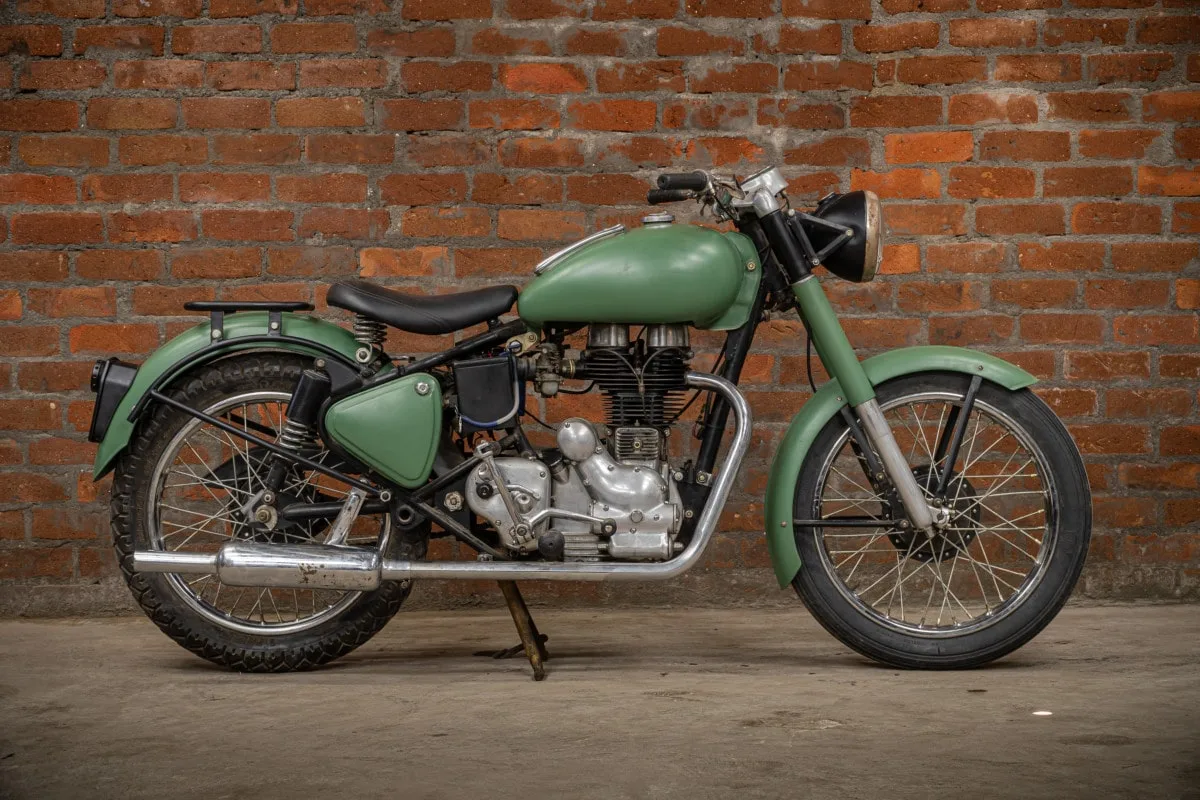
Access comes third, and access is absolute. A studio with a wonderful floor and a standard door cannot photograph a wardrobe at all. The service door into the shooting floor measures 8ft × 4ft, which is what allows bicycles, motorcycles, three-wheeled vehicles and full-size furniture to come in assembled rather than in pieces. A second, smaller studio next door takes the staging: unpacking, assembly, cleaning and the queue of pieces waiting their turn, so the shooting floor stays clear.
Getting Large Products to Pallikaranai, or Getting Us to Them
Two routes exist for large-product work, and the right one is usually obvious once the numbers are on the table.
Delivering pieces to the studio is the better route for brand and catalogue work, because studio conditions are controllable and repeatable. Controlled lighting, a seamless background and tethered capture produce images that match each other across a range and across future shoots, which matters when a furniture catalogue gets extended year after year. Most clients send pieces in advance, and pieces should arrive clean, assembled where possible, and protected in transit.
On-location photography is the better route in three cases: when the product is installed and cannot be moved, when the piece is genuinely enormous, and when quantity is high, typically around a thousand items or more, at which point moving the crew costs far less than moving the stock. Location work across Chennai, Tamil Nadu and the rest of India is a standard part of the service, and the trade-off is honest: a warehouse or showroom gives less control over light and background than a studio floor does.
The studio walkthrough post describes how the shooting floor is actually used during a session, which is worth reading before deciding which route suits a particular range.
Furniture Photography Needs a Different Lighting Plan
Scale changes lighting arithmetic in a way that is not obvious until a large subject is on the floor.
A small product can be lit by a single large softbox that is, relative to the product, enormous. Enormous light sources produce the soft, graduated highlights that make materials look expensive. A three-metre sofa turns the same softbox into a small light source, and small sources produce hard shadows, blown highlights on one arm and darkness on the other. Lighting a large subject therefore means either much bigger modifiers or several sources blended carefully across the length of the piece, with the join invisible.
Materials then complicate matters further, and furniture is unusually demanding because a single piece often carries several at once. Upholstery needs raking light to show weave and texture. Polished wood needs broad, soft sources or the grain disappears under a white reflection. Chrome and glass need controlled reflections, because a chrome leg is not lit so much as it is given something attractive to reflect. Leather sits somewhere between all three. A sofa with a fabric body, wooden legs and metal fittings is effectively three lighting problems that have to be solved in one frame.
Output rates follow from that complexity. Simple eCommerce SKUs on white run thirty to fifty per shoot day. Large items with full coverage, meaning the hero angle, the detail frames and the alternate finishes, typically run two to three per day. Any quote that promises twenty sofas in a day is describing a different and much thinner job. The pricing guide explains which variables move a quote, and product size sits near the top of that list.
What a Large-Product Shoot Day Produces
A furniture or large-product session normally delivers four kinds of image, and a good shot list decides the balance in advance rather than on the day.
Catalogue frames come first: the piece photographed cleanly on white or a neutral background, straight-on and at the standard three-quarter angle, cut out and ready for a website, a marketplace listing or a price list. Marketplace-specification versions belong here too, and our eCommerce photography service handles the listing rules for brands selling through Amazon, Flipkart or their own storefront.
Detail frames come second, and for furniture they carry more weight than for almost any other category. A buyer who cannot sit on a sofa is buying the stitching, the joinery, the hinge, the fabric weave and the finish of the legs. Detail photographs answer the questions the catalogue frame cannot.
Scale and context frames come third, because a wardrobe photographed alone on white gives a shopper no sense of size at all. Styled or lifestyle frames solve this, and they are also what the marketing team wants for campaigns and social media.
Variant coverage comes fourth. Ranges usually exist in several finishes or fabrics, and photographing variants in one session while the lighting is untouched is the only way to guarantee they match each other. Returning six months later for the walnut version produces a walnut version that does not belong to the set.
What to Send Us Before a Large-Product Shoot
Preparation on the client side decides how much of the shoot day goes into photography rather than into cleaning and assembly.
Send the piece list with dimensions, so studio layout and lighting can be planned before anything arrives. Confirm which finishes and variants are included. Say whether items arrive assembled or need assembly, and whether assembly requires specific tools or a technician from your team. Make sure surfaces are clean and free of transit marks, because dust on polished wood and lint on upholstery are cheaper to prevent than to retouch. And flag anything unusually heavy or awkward, so handling arrangements exist before a delivery truck is at the gate.
Deciding which studio to trust with the work is a separate question, and the guide to choosing a product photographer covers what to ask before committing a catalogue to anyone.
If a furniture range, an equipment line or any other large product needs photography, message +91 99624 28747 on WhatsApp with the piece list and rough dimensions. We will confirm whether studio or location suits the job better, and come back with a clear quote, usually within a working day.